 Shannon Brandao
(Right Click on Article's Hyperlink Above to Open Article in a New Tab...)
From the article: "🎯 Nathan Taplin, WSJ [excerpt]: Plumbing is something most of us take for granted—until there’s a problem, at which point things can get messy fast. Likewise for the 'plumbing' of modern #financialsystems: the #moneymarkets, where #banks and other financial institutions make short-term #loans to each other.
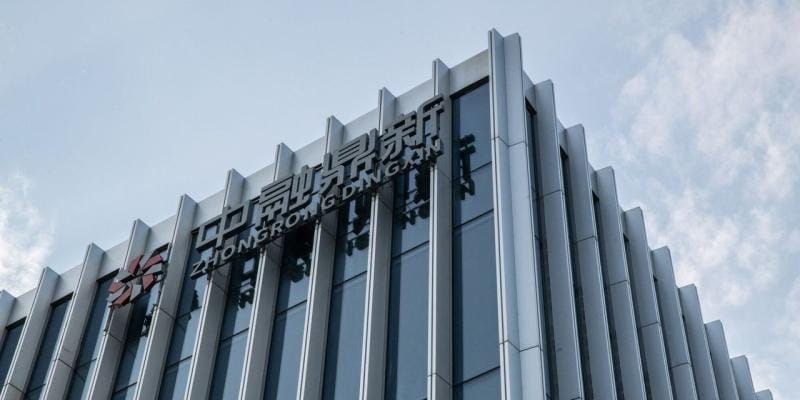
So given the strains China’s #economy is already laboring under—including a slow-motion #property sector implosion and the “serious” #insolvency of Zhongzhi Enterprise Group, a large asset manager, in its own words—it isn’t a great sign that China’s money markets have recently been throwing off little blips of distress too.
There is little sign of an immediate crisis such as the one that erupted in the wake of regulators’ sudden takeover of Baoshang Bank, a midsize lender, in 2019. But unusual rate movements in recent weeks—and, reportedly, actions by authorities behind the scenes to strong-arm lenders—are still worrying. For one, they come in the wake of a big rebound in short-term interbank lending, particularly to nonbank borrowers—a category which includes funds, asset managers and '#shadowbanking' #trusts such as the one owned by Zhongzhi that defaulted on its obligations in August.
Climbing rates after a period of rapidly rising borrowing is always a potentially combustible situation—especially when the real economy is already struggling.
China’s money-market rates often spike at month-end, but the last day of October saw overnight rates briefly rise as high as 50%: a high driven by a scramble for cash by some nonbank financial institutions, according to state media. Both benchmark interbank rates and rates for negotiable certificates of deposit, an important funding instrument for small banks, have marched higher since mid-August. Cash injections by the central bank through its medium-term lending facility have increased—with the outstanding balances rising by 600 billion yuan, equivalent to $84 billion, in November, the most since 2016. And in mid-November regulators asked some lenders to cap rates on an interbank debt instrument, according to Reuters.
The unease appears to be partly the result of massive new #debt issuance by the government itself, which is making life difficult for some other borrowers: official government #bond debt rose by 3.7 trillion yuan from end-July to end-October, according to figures from data provider CEIC. That was the largest three-month increase since at least early 2016."
#news #business