 Ryan Douglas
"September 12, 2021 Ryan Douglas Nutrition
(Last Updated On: September 12, 2022)
As an athlete, it’s important to have the right fuel for your body.
Eating the wrong foods can be detrimental, and may even lead to injuries or worse.
In this article, we’re going to talk about how you can make sure that your diet is as healthy as possible so that you don’t compromise your performance on the field.
The Basics of Macronutrients for Athlete Nutrition
The first thing that you need to know is what macronutrients are.
Macronutrients are the three main nutrients in food: proteins, carbohydrates, and fats. Each of these has its own benefits for your body as an athlete.
Sometimes one or more will even be recommended over another depending on what kind of activity you’re doing; for example, if you’re a marathon runner, more of your calories may come from carbohydrates than proteins.
Let’s break down each of these macronutrients for you.
Related: How to Count Your Macros and Why You Should
Get Your Carbs
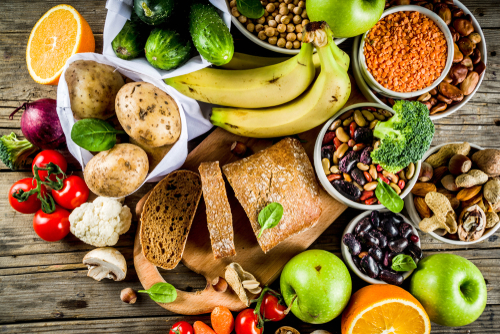
We’ll start with carbohydrates. Carbohydrates are an important part of your diet because they’re the main source of energy for athletes.
If you want to maintain top performance, it’s especially important that you know how much carbohydrate is appropriate to eat every day. For example, if you play a soccer game in 90-degree weather and expect to play for two hours, you’re going to need about 500g of carbohydrates.
If your game is in the evening when it’s cooler, then that amount will be closer to 350-400 g per day. If you’re planning to play for 90 minutes, then it’s okay if your daily intake is closer to 300 g.
What carbohydrate foods should athletes avoid?
Athletes need to make sure they don’t eat too many simple carbs because those will cause blood sugar levels to rise quickly. If you eat too many simple carbs, then that will cause your energy level to drop, and it may even take a toll on your mental performance because carbohydrates are the main source of fuel for your brain.
Although athletes need carbohydrates in their diet, they should also avoid sugary foods like candy bars or soda. If you do eat sugary foods, then it’s best to make sure they’re eaten in moderation. Also, avoid foods that are high in saturated fat because those will cause weight gain and blood pressure levels to rise.
Good sources of carbohydrates include:
- Fruits
- Vegetables
- Whole grains
- Oatmeal
- Brown rice
- Beans
- Bulger
Get Your Protein
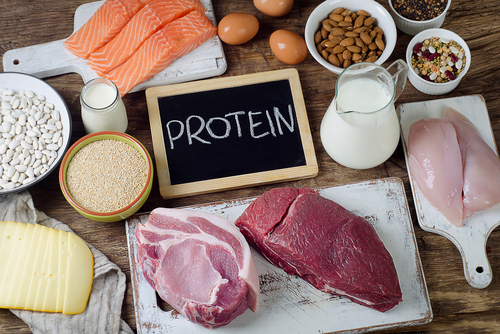
Protein is another important nutrient for athletes. Protein helps your muscles rebuild and repair after an intense workout, which will allow you to perform better in the future.
What foods should athletes avoid eating? Athletes need to make sure they don’t eat too many high-fat proteins like sausage or bacon because those are very unhealthy and may even cause weight gain.
It’s also important to avoid oily fish like salmon because they contain high levels of mercury, which can affect the brain and nervous system if consumed too frequently.
Protein foods that are safe for athletes include:
- Lean meats
- Lentils
- Peas
- Egg whites
- Tuna
- Greek yogurt
- Low-fat cottage cheese
- Salmon
How much protein should you eat?
I recommend eating .8- 1g per lb of bodyweight and can jump as high as 1.25-1.5 grams per pound when in a larger deficit. For a 200lb athlete, that would be between 160-200g of protein.
Eat More Protein! – Your body needs it!
Related: The 15 Best Protein Bars on the Market
Related: Should Athletes Take Pre-Workout Supplements Before Games?
Eat Healthy Fats
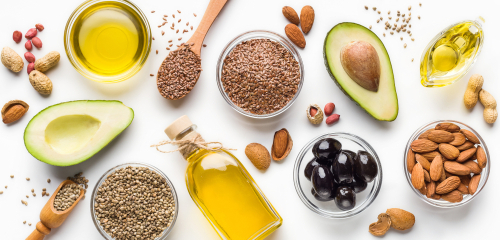
Athletes also need to make sure they’re eating healthy fats in their diet because those will help with energy levels and mental focus as well as helping your body absorb fat-soluble vitamins like A, D & E.
An athlete’s diet should include 20% of calories from healthy fats, which comes out to be about 44-65g in a 2000 calorie diet.
There are three different types of fats: saturated, monounsaturated and polyunsaturated. Saturated fat is the type that causes blood pressure levels to rise quickly. If you want to make sure your diet contains healthy oils, then it’s best if they’re in the form of mono- or polyunsaturates.
Fats that are good for athletes include:
- Olive oil
- Avocado
- Canola oil
- Salmon
- Hazelnuts
- Pumpkin seeds
- Peanut butter
- Lake Trout
Athletes should avoid foods like cheese or fried food because those contain saturated fat.
Fats are more calorie-dense than carbohydrates or proteins, so if you eat too many, it may cause you to gain weight.
Micronutrients for Athletes
Let’s not forget about the micronutrients. Athletes should make sure they’re getting enough vitamins and minerals in their diets because that will help them perform better at practice or during games.
Some micronutrients that athletes need include: iron for red blood cell production, calcium to strengthen bones and teeth along with vitamin D which helps improve bone formation, magnesium is important too as it can reduce muscle cramps by improving nerve conduction while potassium helps the heart contract efficiently.
All of these nutrients are found through a healthy diet but an athlete might also choose to take supplements after consulting with a doctor first about what’s best for their needs.
Related: Student-Athlete Nutrition: Keep Your Competitive Edge
7 Nutrition Rules For Athletes To Follow[...]"
(For the rest of Ryan Douglas' article on Athlete Nutrition: Eat Better and Perform Better click on The Athletic Build link above)

Ryan is a former college wrestler and lifelong fitness fanatic. He has run half marathons, done mud runs, placed in body transformation contests, coached wrestling, and now coaches girls’ soccer. Not to mention he has also tried literally hundreds of supplements over the years and has a vast and thorough supplement knowledge. He has written for Muscle & Strength, Testosterone Junkie, The Sport Review and other publications. He is also the editor-in-chief of this website and has over 25 years of experience in the fitness industry. Feel free to connect with him on his LinkedIn page below.